
The human foot is extraordinary. When we became bipedal, our feet took on a profound new role. With their three arches, they are central to the intricate dance of upright posture. For posture to be stable and aligned, keeping the feet as close to parallel as possible is crucial.
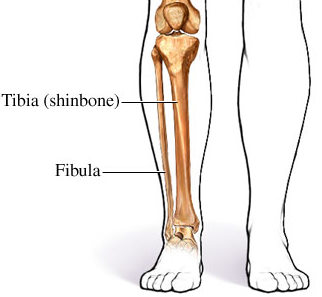
The foot has two distinct halves: the inside and the outside. The inside bears most of the weight, while the outside drives propulsion. Looking at a skeleton, you’ll notice that the shin’s large bone, the tibia, sits directly under the thigh bone, the femur. The smaller bone, the fibula, ends below and slightly outside the femur. This means that weight traveling through the tibia transfers all the way up the body to the crown of the head, while weight through the fibula stops below the knee.
In yoga, parallel—or nearly parallel—feet are essential, unless otherwise instructed. Keeping the feet aligned allows weight to transfer efficiently through the bones, supporting the spine and pelvis.
Take urdhva dhanurasana, wheel pose, for example. When I teach this backbend, I always watch the feet. On the initial lift, if the student’s weight is grounded evenly across the inside and outside of the foot, everything looks good. But as soon as the feet turn out or roll to the outside, alignment suffers, and the back is at risk.
During wheel pose, the top of the leg wants to screw into the hip socket. If the feet turn out, the femur rotates the wrong way, which makes a safe backbend much harder. Grounded, parallel feet give the bones the best chance to support the spine and pelvis, making the backbend more effective and safer.
Do you know what your feet do when you move? I’ve realized that many people have no idea. Simply instructing them verbally isn’t enough. I’ve asked students repeatedly to keep their feet still, only to watch them roll outward each time. Eventually, I’d ask, “Do you realize your feet fly out to the side when you lift?” Often, the answer is a surprised “Really?”
Being aware of your feet—and your whole body—is especially important in backbends. Understanding how your weight travels through your bones gives you a much better chance of moving safely, efficiently, and successfully.