The Dobomed Method for Scoliosis: Restoring Symmetry Through Breath and Functional Movement
One of the more interesting things I have learned during this deep dive into scoliosis is how closely the work I do with clients on walking, posture, and the nervous system correlates with all the methods employed for improving scoliosis.
The work on posture, breathing, and movement in all of these methods (there are more coming in the next posts) is not only for scoliosis, though a person with a straighter spine doesn’t need the same results.
When it comes to therapeutic care for scoliosis, one size does not fit all. While the Schroth Method has gained significant attention in recent years, it’s not the only approach focused on scoliosis-specific exercises.
The Dobomed Method, developed in Poland, is another powerful, non-invasive therapy that uses breathing, postural correction, and spinal mobility to reduce scoliosis-related dysfunction and pain.
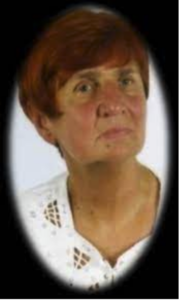
Named after its founder, Dr. Krystyna Dobosiewicz, the Dobomed Method takes a holistic, functional approach.
It emphasizes restoring symmetry to the spine and thorax, improving respiratory function, and teaching the nervous system to support better posture in daily life—not just during exercise.
Origins of the Dobomed Method
The Dobomed Method was developed in the 1970s by Dr. Krystyna Dobosiewicz, a Polish physician deeply influenced by the principles of respiratory therapy and rehabilitation medicine.
She believed that scoliosis should be addressed not only through spinal alignment but also through improving thoracic mobility and neuromuscular control.
Dobomed was designed with adolescent idiopathic scoliosis (AIS) in mind but has since been adapted for adult patients, especially those dealing with pain, loss of mobility, or progressive degenerative curves.
In essence, DoboMed can be seen as an evolution of the Schroth method, incorporating additional elements to address scoliosis more comprehensively.
Those elements include a greater focus on the thoracic spine and the kyphosis (rounding) that is often a result of progressive scoliosis.
Core Principles of Dobomed
At its heart, the Dobomed Method is about rebalancing the body from the inside out. It focuses on:
- Asymmetrical breathing to expand restricted thoracic regions
- Active spinal elongation
- Postural correction using neuromuscular reeducation
- Pelvic alignment and stabilization
- Global movement patterns to improve function
Like other scoliosis-specific exercise systems, Dobomed recognizes that scoliosis is a three-dimensional problem. The goal is to correct imbalances not just in side-to-side curvature, but also in rotation and muscle tone—especially in the trunk and core.
Breathing as a Foundation
One of the defining features of Dobomed is its respiratory focus. Scoliosis often causes the ribs to become distorted—flattened on one side and overly prominent on the other. This reduces chest expansion, limits lung capacity, and throws off muscular balance.
Dobomed uses directed, asymmetrical breathing techniques to expand the concave side of the thorax and soften overactive muscles on the convex side. Over time, this not only improves posture but also restores chest mobility and respiratory efficiency.
What Happens in a Dobomed Session?
A Dobomed session typically begins with a postural assessment, including pelvic alignment and thoracic shape. There will always be Instruction in corrective breathing while lying or sitting along with movement sequences that emphasize spinal elongation and decompression.
Integration of breathing into functional patterns, like reaching, walking, or transitioning from sitting to standing is also key.
Therapists guide patients through these movements using tactile feedback, mirrors, and verbal cues to encourage awareness and precision.
An essential part of Dobomed is helping the patient maintain corrections during daily life, not just during exercises. The goal is lasting postural improvement, reduced curve progression, and enhanced confidence in movement.
Who Benefits from Dobomed?
The Dobomed Method is especially beneficial for:
- Adolescents with mild to moderate idiopathic scoliosis (especially during growth spurts)
- Adults experiencing postural collapse, back pain, or spinal stiffness
- Individuals looking to avoid or delay bracing or surgery
- Patients recovering from surgery who want to restore mobility and breathing capacity
It can be used alone or alongside other treatments, including bracing, manual therapy, and physiotherapy.
Dobomed vs. Schroth: What’s the Difference?
While both methods are based on postural correction and scoliosis-specific exercises, Dobomed places greater emphasis on breathing and thoracic function, while Schroth is often more focused on curve-specific corrective positions.
Dobomed tends to involve more dynamic, functional movement patterns from the beginning, integrating exercises into everyday actions.
The two approaches often complement each other, offering a broader spectrum of corrective tools.
The Dobomed Method is a gentle yet powerful tool. By combining directed breathwork, functional movement, and postural education, it helps patients reclaim control over their bodies and reduce the physical and emotional impact of scoliosis.
In a world where scoliosis care often defaults to watching and waiting—or ending in surgery due to waiting too long—Dobomed offers a proactive, empowering middle path rooted in the body’s own capacity for change.
We are coming to the end of this 13 post series. In the next, and final installment, I will cover another approach to scoliosis rehabilitation: The SEAS Method