
 A couple of weeks ago, in a post about sleep positions, I mentioned an issue I have been having with sleeping on my side.
It takes a particularly obsessive brain to lie in bed and think about what all the different parts of the body are doing as sleep is invited to take over. But that’s what I do almost every night as I lie in the dark.
The latest food for thought has been the imbalance between my inner and outer thighs. I am left-handed, and everything on my left side is stronger than my right side.
This imbalance manifests most clearly in the inner and outer thighs of the right leg. I have a habitual turnout of my right foot that adds to this issue–the outer thigh is simply asked to do more than the inner thigh on the right side.
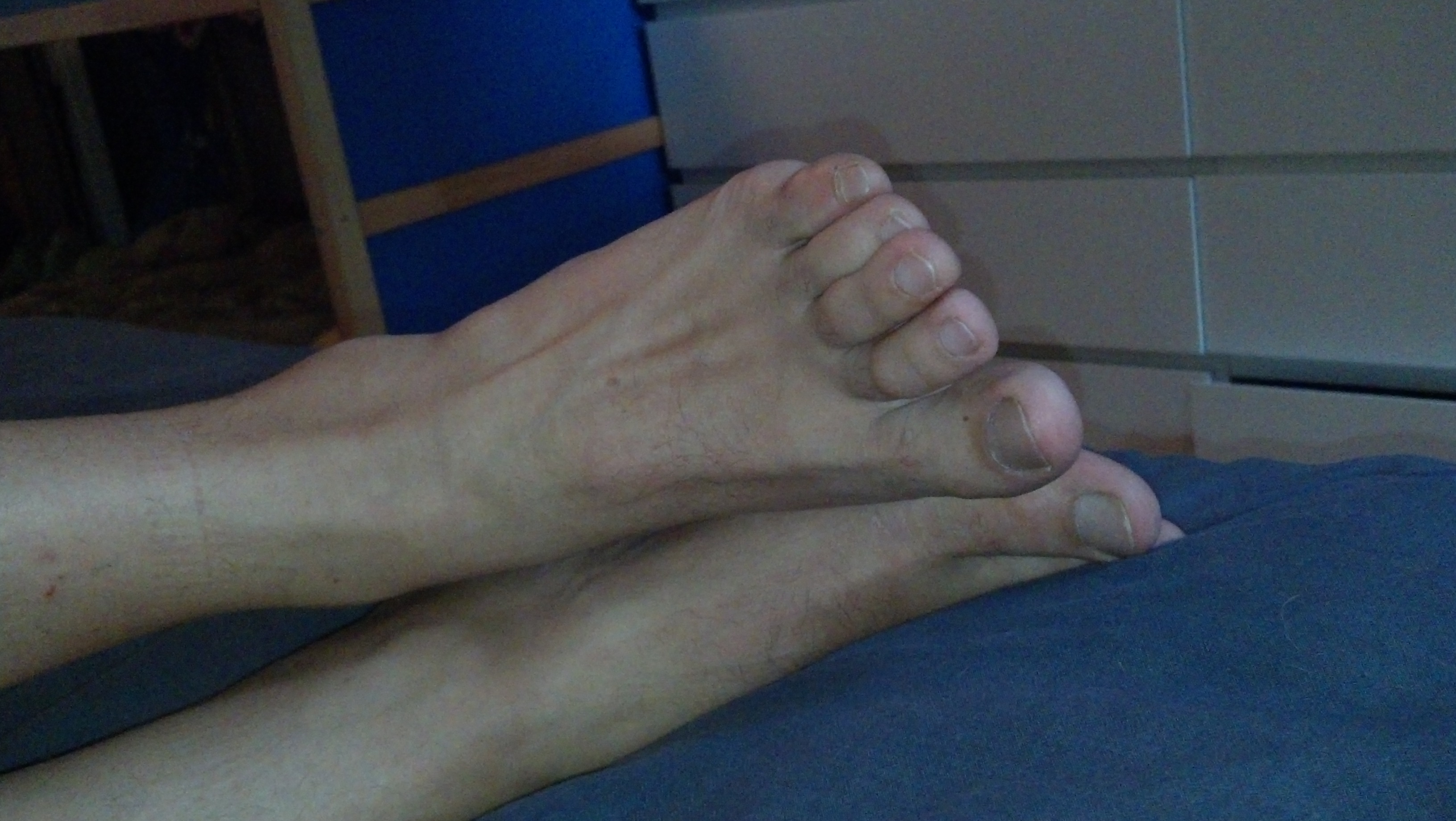
You can tell a great deal about someone’s body when they lie flat on the floor with nothing underneath. Looking at the supine person’s feet, you will get an inkling of the tone that runs through the entire body. Ideally, the feet should fall open at forty-five degrees, and the inner and outer feet should be on the same plane or close. If the outer thigh is stronger than the inner thigh, we tend to see the outer foot move forward much further than the inner foot.
My body much prefers sleeping on the right side.
I make sure to switch during the night, but I probably spend eighty percent of my time on the right side. Sleeping on my left side, my feet are softly flexed and evenly balanced.
When I lie on my right side, the right foot, which is on the bottom, turns and lies more on the top of the foot than on the side of the foot. Over the course of six hours, this can add up to trouble, and I am not sure what the solution is.