
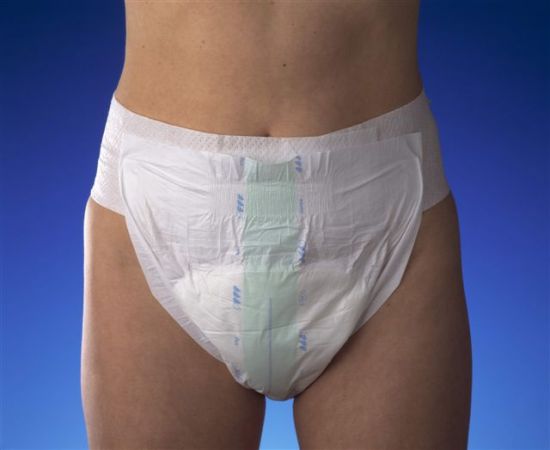
I talk about two of my favorite topics in yoga class: incontinence and aging gracefully. They go hand in hand.
Many people assume incontinence is simply part of getting older. It isn’t — or at least, it doesn’t have to be.
Urinary incontinence includes a wide range of symptoms: involuntary leaking, urgency, frequency, nocturia (waking at night to urinate), a weakened stream, and the feeling of incomplete emptying. Fecal incontinence is less common, but it still affects millions of people and carries even greater stigma.
An estimated 200 million people worldwide live with urinary incontinence, and the majority are women. Men tend to underreport symptoms, so the gender gap may not be as large as statistics suggest.
There are no absolute rules, but generally speaking, most people under forty should be able to sleep through the night without waking to urinate. After forty, getting up once may be reasonable. But waking multiple times a night is incredibly common — and disruptive. Interrupted sleep affects immune function, mood, cognition, and overall resilience.
The consequences of incontinence extend beyond inconvenience. There is shame. Social withdrawal. And research shows that people with overactive bladder symptoms are more likely to struggle with other health conditions, including hypertension and arthritis. Whether correlation or causation, the connection is worth noting.
There are many possible causes of incontinence. Some are outside our control — medications, surgeries, neurological conditions. But in my work, I consistently return to two physical factors that play a major role in both continence and aging well:
- Poor tone and coordination in the pelvic floor muscles
- Dysfunction or imbalance in the psoas muscle
The pelvic floor is the literal base of the core. If it is weak, unresponsive, or chronically tense, bladder and bowel control can suffer. The psoas, which connects spine to leg, influences pelvic position and pressure management. When it is out of balance, it can disrupt the relationship between the spine, pelvis, and pelvic floor.
My time volunteering in hospice, and watching my own parents age, made this deeply personal. Loss of continence is not just a physical issue — it affects dignity, independence, and quality of life.
So I train for the long game.
Kegels (done properly), hiking, squats, intelligent psoas release work, a consistent yoga practice, and attention to diet are all part of how I work to slow degeneration and maintain function.
As I approach sixty-three, aging gracefully is not a vague idea — it’s a daily practice. I feel great now. But I know this is ongoing work.
My ultimate goal is simple and unapologetic:
Stay strong.
Stay upright.
Stay continent.
For as long as I am alive.